
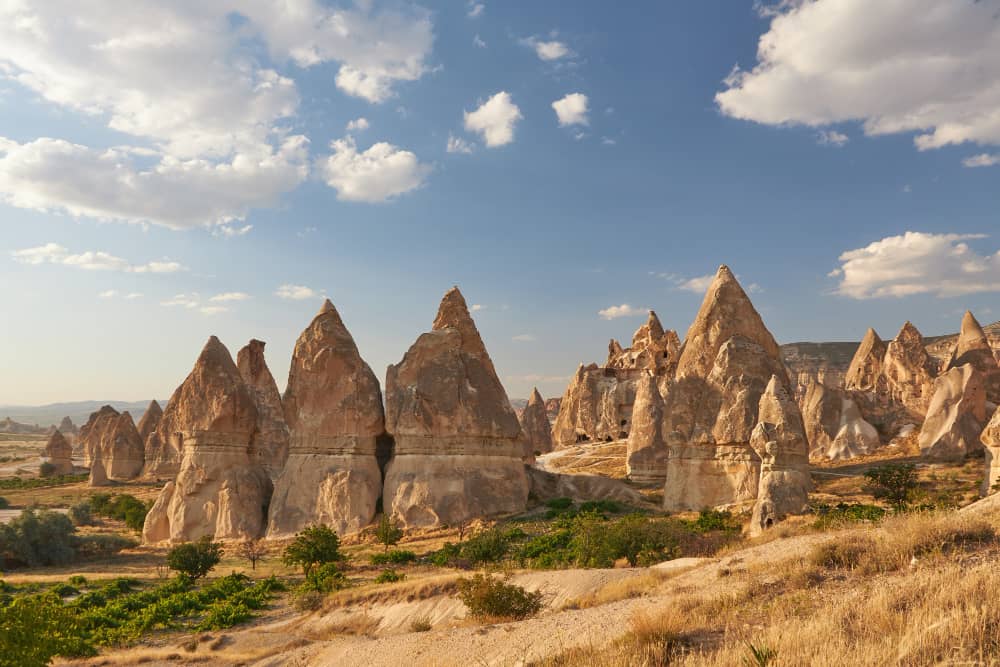
What Happened in Göreme?
On 29 October 2026, after heavy rain, rock broke away from a fairy chimney near the entrance of the Göreme Open Air Museum. The collapse caused loss of life and injuries. We offer our condolences, and out of respect we don't share personal details here.
The Nevşehir governor linked it to a rain-induced landslide (Hürriyet Daily News). Prosecutors opened an investigation and appointed expert witnesses to examine the causes, and their reports are still awaited. So nobody can yet say for certain why this particular rock failed. The rest of this guide explains how fairy chimneys behave in general; it isn't a finding about this collapse.
Why Do Fairy Chimneys Collapse?
Fairy chimneys are shaped by the same process that eventually brings them down. Water and wind carve them from volcanic tuff, a fairly soft rock, and many carry a harder cap that shields the softer stem below. That protection isn't permanent. According to the Chamber of Geological Engineers, the main factors in rockfall and collapse are rock strength, fracture systems, water, temperature swings and freeze-thaw cycles.
Water: rain and snowmelt run down the rock and seep into cracks.
Freeze and thaw: water in a crack freezes, expands and widens it a little more each time.
Cracks: as they spread or the stem thins, the rock can lose its balance.
On average this is very slow. One study using cosmogenic dating measured erosion of about 3 cm per 1,000 years on chimney caps. But a slow average doesn't mean a gradual ending: once cracks have weakened the rock, the final break can happen suddenly.
Is It Only Nature?
Erosion is natural and has been shaping this landscape for a very long time. Whether it fully explains this collapse is a separate question, and it is still open. Officials point to the rain. A conservation architect and a local environmental group argue that road works, a car park and heavy traffic nearby may also have played a part; these are views, not findings. The Chamber of Geological Engineers doesn't attribute the collapse to one cause and calls for detailed surveys. We would rather wait for the expert reports than guess.
Will More Fairy Chimneys Collapse?
Yes, eventually. Erosion doesn't stop, so fairy chimneys will keep breaking down over time, and nobody can say which one will go or when. Recent examples include Uçhisar in December 2024, after snowmelt, and Göreme's Gaferli neighbourhood in September 2025; neither was fatal. One expert warns that many other formations resemble the one that failed, and the Chamber has asked for risky areas to be mapped and monitored. The Cappadocia Area Presidency says it inspects risky formations, and it reported in September 2026 that it was restoring fairy chimneys in Göreme and planning preventive work on others considered a risk.
Is It Safe to Visit Cappadocia Now?
We run tours here, so we have an interest in this answer; please weigh what we say with that in mind. We don't think this is a reason to panic. Cappadocia receives about 4.5 million visitors a year, according to the head of the Area Presidency, and a collapse that hurts people is unusual. We haven't found official figures on how often this happens, so we won't give you odds, and we can't promise zero risk.
In the reports we read, only the area around the collapse was cordoned off, and the governor said no problems had been reported at other formations. At the same time, a geological engineering professor at Istanbul Technical University said access should be suspended until conditions stabilise, and the Chamber recommends restricting risky areas. Official decisions can change, so check the current situation before you go. If you would rather not travel, our general policy gives a 100% refund up to 48 hours before your tour starts.
How to Stay Safe Around Fairy Chimneys
Stay on marked paths. Respect barriers and no-entry signs, even when others ignore them.
Don't climb formations or enter carved rooms that aren't open to visitors.
Don't linger directly under rock faces or overhangs, including when parking or taking photos.
Take extra care during and after heavy rain, snowmelt or a hard freeze, when water and ice are working in the cracks.
Move away if you see fresh cracks or falling stones, and tell staff or your guide.
Follow your guide and official notices if a route changes. In an emergency in Türkiye, call 112.
In Short
Fairy chimneys exist because of erosion, and erosion will eventually bring each of them down. That natural process is usually very slow and a collapse that hurts people is unusual, so we don't see a reason for fear. But these are real rocks in a changing landscape, not a risk-free attraction, so stay on marked paths and follow official guidance. The cause of the Göreme collapse should become clearer once the expert reports are published. To plan your visit, see our best time to visit Cappadocia guide.